Bear Illustrations That Bring Your Creative Projects to Life
There is something universally appealing about bears. They can be fierce and powerful, or soft and cuddly, depending on how you draw them. That range of emotional possibility is exactly why bear illustrations have become such a valuable asset across so many creative fields. When you combine that timeless subject matter with the flexibility of modern AI EPS collections, you get a resource that genuinely changes the pace of creative work.
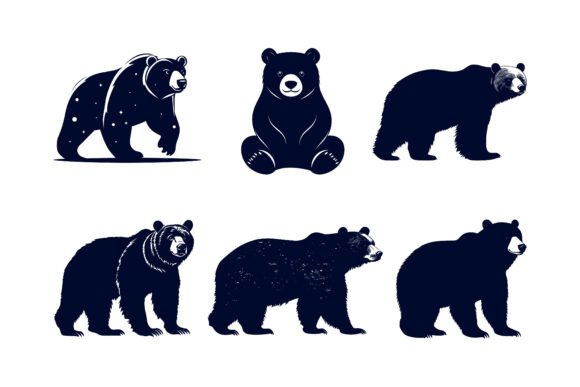
What we are talking about here is a curated collection of bear-themed vector illustrations, delivered in AI and EPS formats with companion JPG previews, built to work seamlessly whether you are on a Mac or Windows machine. The files arrive neatly organized with a logical file and layer structure that respects your time. Every curve, every expression, every tiny detail has been refined to a level of consistency that makes these illustrations feel professional right out of the folder.
But the real question is not just what these files contain. It is where they fit into the actual work you do every day. Let us explore that.
Where Bear Illustrations Make a Genuine Difference
You might look at a bear illustration set and think it is charming but narrow in scope. That assumption fades quickly once you start connecting the dots across industries. Picture a children's book author laying out pages in the early morning hours. They need a character that can express curiosity on one page and mild frustration on the next, all while maintaining a consistent visual identity. A well-structured EPS file lets them tweak the angle of an eyebrow, shift the posture of a paw, or adjust the warmth of the fur tones without starting from scratch. That kind of control turns a generic illustration into a character readers remember.
Now shift your attention to the world of mobile app design. An onboarding screen for a meditation app might use a calm, seated bear with closed eyes to communicate restfulness. A habit tracker aimed at families might feature a friendly bear mascot holding up a checklist. Because these illustrations arrive as vector files, designers can scale them from a tiny smartwatch display to a large tablet screen without losing a single crisp edge. The same bear that greets a user on the login screen can appear as a subtle badge icon on a progress bar, and it will look intentional in both places.
Then there is the world of print. A coffee shop in a mountain town might want a cozy bear logo on their takeaway cups. A pediatric dental clinic might use a smiling bear holding a toothbrush on their waiting room wall graphics. An outdoor gear brand might incorporate a stylized bear silhouette into their hang tags and packaging. In each of these cases, the fact that the artwork is fully editable means you can match brand colors exactly, simplify details for small-scale printing, or add texture for large-format displays.
Different Creative Roles, Different Needs
A graphic designer working on a tight deadline needs assets that do not fight back. They do not have hours to untangle messy layers or hunt through poorly named groups. The organized layer structure in these collections means they can isolate the bear's head for a social media avatar, grab just the body pose for a silhouette treatment, or pull out a single paw gesture for a custom icon, all without digging through flattened artwork.
An illustrator who primarily works by hand might use these EPS files as a foundation to build upon. They could import the vector bear into their preferred software, then add their own line work, watercolor overlays, or digital painting techniques on top. The base illustration handles proportion and anatomy, freeing them up to focus on mood, texture, and personal style.
For a small business owner who handles their own marketing, the JPG previews serve a quiet but important purpose. Before opening any design software, they can quickly browse through the collection, find the right pose or expression, and drop a placeholder into their Canva layout or email newsletter mockup. That preview workflow saves enormous time when you are juggling multiple tasks and just need to see how something will look before committing to edits.
Unexpected Places Where Bear Illustrations Shine
Infographic design does not immediately scream for animal illustrations, but bears can serve as powerful visual metaphors. A growth chart might use a series of bears increasing in size to represent market expansion. A timeline about environmental conservation could feature a bear moving through different habitats. The consistency of the illustration style across the collection means every instance of the bear feels like part of the same visual language, which is critical when you are trying to guide someone through complex information.
Educational materials benefit from approachable characters. A worksheet for young learners about emotions might use bears with distinct facial expressions to help children identify feelings. A safety guide for national park visitors could use bear illustrations to communicate guidelines in a way that feels informative rather than alarming. The ability to change colors means you can adjust the bear's warmth or coolness to match the tone of the content.
Symbol and icon systems represent another practical application. A set of wayfinding signs for a zoo or nature center might need a consistent bear icon. Because these files are vector-based, you can reduce the illustration to its essential silhouette without losing recognizability. That same bear can live in a mobile app menu, a printed map, and a roadside sign, each scaled and colored appropriately for its environment.
What Makes Editable Vector Files a Practical Choice
The phrase "you can edit it, change colors, and modify the icon so easily according to your needs" is not just marketing language. It describes a real workflow advantage. When an illustration arrives as an AI or EPS file with organized layers, you can click on the bear's scarf and make it match your brand blue in seconds. You can select the background elements and remove them entirely if you need a transparent version for a website header. You can adjust line weights, swap fill gradients, or reshape details without degrading quality.
This editability also means the same collection can serve wildly different projects over time. The bear that appears as a friendly mascot in a summer camp brochure this month might become a more formal, simplified logo mark for a consulting firm next year. The underlying artwork is versatile enough to adapt because you control every vector point.
Compatibility across Mac and Windows removes friction from collaborative workflows. A designer on a Mac can prepare files and hand them off to a Windows-based client or printer without worrying about font substitutions, color shifts, or missing elements. Both AI and EPS formats are widely supported across professional design applications, and the included JPG files provide a universally viewable reference.
Things Worth Considering Before You Dive In
No illustration collection is a perfect fit for every single project, and being thoughtful about what you need will help you make the most of these assets. Consider the visual style of the collection. If the bears have a particular aesthetic, such as flat design with rounded shapes, they will work beautifully for modern app interfaces and cheerful branding, but they might feel out of place in a project that demands gritty realism or highly detailed engraving-style artwork.
Think also about licensing and usage terms. Understanding where and how you can use the illustrations, especially in logo design or merchandise, protects you from complications down the road. Most collections of this type are intended for broad commercial use, but confirming the specifics is always wise.
File size and software requirements are practical details that deserve a moment of attention. AI and EPS files can be substantial, and while they open smoothly in Adobe Illustrator, CorelDRAW, Affinity Designer, and other vector editing applications, you will want to make sure your system can handle them comfortably. The JPG previews help here, letting you browse and plan before committing to heavy editing sessions.
Where Consistency Meets Creative Freedom
There is a quiet confidence that comes from working with assets where the details are already handled. The proportions are right. The curves connect cleanly. The layers are named logically. When those fundamentals are solid, your attention stays on the creative decisions that matter, like how the illustration interacts with your typography, what emotional response it creates in your audience, or how it fits into a larger visual system across multiple platforms.
The strength of a well-crafted AI EPS collection lies partly in what it provides and partly in what it does not get in the way of. It gives you a polished starting point without locking you into a finished look. It offers consistency across multiple illustrations without sacrificing individuality in each pose or expression. And it respects the reality that creative work happens across different devices, different software, and different contexts.
For the website designer looking to add personality to a landing page, the app developer building a friendly user experience, the print designer crafting materials that feel warm and approachable, or the educator creating resources that connect with learners, bear illustrations offer a combination of familiarity and flexibility that few other subjects can match. The AI and EPS formats ensure that flexibility is not just theoretical but genuinely accessible every time you open a file.
So whether you are staring at a blank canvas with a deadline approaching, or slowly building a brand identity that needs to feel both strong and kind, these collections sit ready to be shaped. The files are organized, the details are dialed in, and the only thing missing is the specific color, pose, or context that only you can provide.