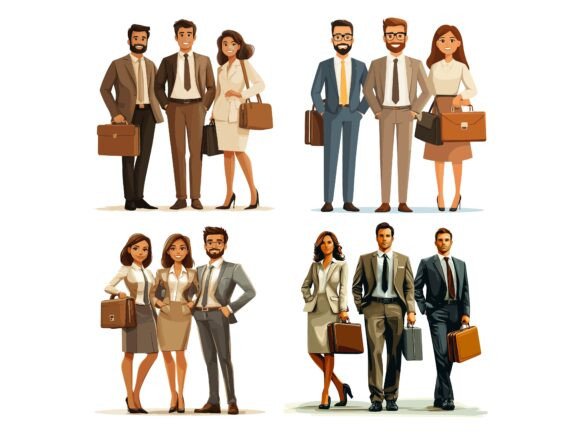
Office Worker Standing
The relevance of an office worker standing extends far beyond ergonomic catalogs. It signals a cultural pivot. Companies now compete not only on salary and benefits but also on the quality of the physical and psychological spaces they offer. Freelancers redesign spare bedrooms with sit-stand converters. Coworking spaces market their dynamic setups. Health researchers, productivity coaches, and even software developers align their work with the idea that the body was not built for eight hours of immobility. This is a practical, evidence-backed evolution that has reshaped how millions approach their daily tasks.
Why Standing Changes the Equation for Knowledge Workers
The Rise of Active Work Environments
The conversation around office worker standing grew in parallel with remote and hybrid work patterns. Without dedicated facilities teams to outfit every home office, workers began sourcing their own solutions. Affordable sit-stand converters, adjustable monitor arms, and even simple laptop risers became everyday household items. This democratization of ergonomics shifted power from employers to individuals. People learned to experiment: standing during morning stand-up calls, switching to a stool for focused writing, and adding an anti-fatigue mat for longer upright sessions.
Visual Communication Meets Workplace Wellness
For content creators, marketers, and business strategists, capturing this evolving work culture visually is a challenge. Generic photos of people in suits at boardroom tables no longer resonate with the flexible, movement-aware reality of today. Instead, illustrators and designers need authentic, detailed depictions of an office worker standing: an employee adjusting a desk height, a freelancer stretching at a minimalist setup, a team huddled around a tall table in a sunlit corner. These scenes do more than illustrate articles or presentations—they signal empathy and modernity.
Precision, Consistency, and Editorial Flexibility
From Screens to Print: Cross-Media Application
Addressing Contemporary User Expectations
How the Standing Office Worker Fits into Broader Lifestyle Shifts
The growing attention to an office worker standing aligns with larger movements around self-care, burnout prevention, and intentional living. Work is no longer a separate sphere where health is suspended. People track steps, measure sitting time with wearable reminders, and arrange their days around movement micro-breaks. The standing desk transition is one of the most visible expressions of this philosophy. Even in traditional sectors like banking or law, where seated formality once dominated, you now see partners raising their desks for a call or teams gathering at standing-height collaboration zones.
Practical Recommendations for Using Standing Office Illustrations
Why This AI EPS Collection Matters Now